What is SEO Audit: Foundational Guide for Beginners

what is seo audit - foundational guide

This foundational guide explains what a site audit is, why a website health review matters, and the core areas to check for better search visibility and user experience. Designed for SEO beginners and even professionals who need a clear, practical introduction before diving into tools, comparisons, or step-by-step processes.

What a Site Audit Covers (High-Level)

A site audit is a comprehensive website health review that evaluates search visibility, crawlability, indexability, and technical SEO. It also examines on-page optimization, content relevance, backlink profile, and user experience signals like page speed and mobile-friendliness. The goal is to identify issues that limit organic performance and prioritize fixes.

Why an SEO audit matters

If you’re asking what an SEO audit is, it’s a structured review of your site that uncovers technical, on-page, and off-page issues blocking search visibility and conversions. Regular audits prioritize high-impact fixes, prevent wasted budget on ineffective tactics, and boost organic performance by improving crawlability, content relevance, and user experience—so your site ranks better and converts more visitors.

How long does an SEO audit take?

A comprehensive SEO audit — the process typically takes from a few days to several weeks, depending on site size, complexity, and the depth of analysis required.

Who Should Perform or Request an Audit

Business owners, marketing professionals, web developers, and content creators benefit from audits. Beginners can use them to learn how search engines view their site; teams use audits to align SEO, development, and content priorities.

Use this SEO audit checklist to get more traffic and rank higher

This checklist covers the essential checks to perform during an SEO audit and practical recommendations so you can act quickly.

Crawlability & indexation: Verify robots.txt and XML sitemap presence and correctness; ensure important pages are indexable for online presence; use Google Search Console to check indexed pages and resolve crawl errors.
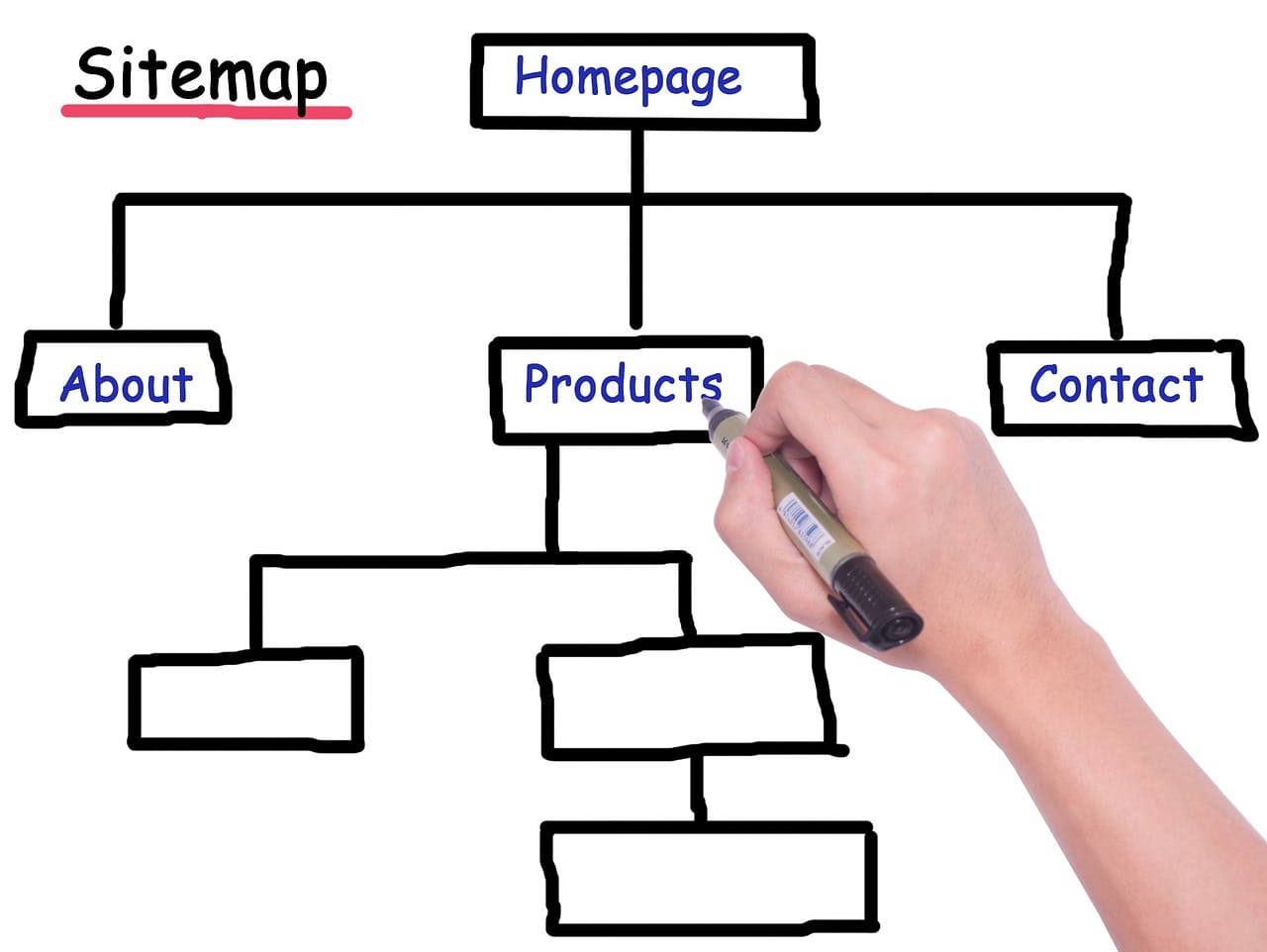
Site architecture & URLs: Confirm logical site hierarchy, shallow click depth, and clean, descriptive URLs; fix duplicate content and implement proper canonical tags.
Technical performance: Measure page speed (Core Web Vitals), mobile responsiveness, and server response times; optimize images, leverage browser caching, and minimize render-blocking resources.
HTTPS & security: Ensure the site uses HTTPS across all pages and that there are no mixed-content issues or certificate errors.
On-page SEO: Audit on-page elements such as title tags, meta descriptions, header usage (H1–H6), and keyword targeting; optimize for relevance and click-through rate while avoiding keyword stuffing.
Content quality & relevance: Review for thin, duplicate, or outdated content; align pages to search intent, expand high-value pages, and consolidate low-performing or overlapping pages.
Structured data & rich snippets: Implement Schema markup where relevant (product, article, FAQ, local business) to enhance SERP appearance and click-through rates.
Internal linking: Check for a clear internal linking strategy, fix broken links, and use contextual anchors to distribute link equity to priority pages. 
Backlink profile: Analyze referring domains, anchor text distribution, and toxic links; disavow harmful links and pursue high-quality backlinks from relevant sites. Utilizing SEO tools like Ahrefs or Semrush can be helpful.
Local SEO (if applicable): Optimize Google Business Profile, ensure NAP (name, address, phone) consistency across directories, and collect reviews to boost local visibility.
Analytics & tracking: Confirm Google Analytics/GA4 and Search Console are correctly implemented; set up goals, conversions, and event tracking to measure impact of changes.
User experience & conversions: Evaluate navigation, CTAs, readability, and mobile UX; run heatmaps or session recordings to identify friction points and increase conversions.
Competitor benchmarking: Compare keywords, content gaps, and backlink profiles against top competitors to find opportunities to outrank them.
Action plan & prioritization: Assign severity and effort scores to each issue (high/medium/low), create a timeline for fixes, and track improvements over time.

Use this Website audit checklist as the backbone to answer “what is an SEO audit” with actions that produce measurable improvements. 

Getting Started: Practical Next Steps

Begin with a high-level site scan to identify major blockers, use an SEO audit tool (Screaming Frog, PageSpeed Insights, Ahrefs/Moz/SEMrush, and structured data testing tools), and connect analytics (GA4) and search console, and collect key performance metrics. From there, group issues into technical, on-page, and content priorities and create a simple roadmap for fixes and monitoring.

For business owners who prefer less hands-on work, hiring an experienced SEO specialist can jump-start the process and reduce hassle while ensuring the audit leads to measurable improvements.


Frequently Ask Questions

How often should I run a site audit?

Run a basic scan monthly and a full audit quarterly or before major site changes to catch regressions and new issues. Use of an audit tool can easily help you.

A technical review focuses on crawlability, server responses, structured data, and indexing. On-page checks focus on content, meta tags, headings, and relevance to user intent.

No. You can begin with free resources for initial diagnostics (search console, page speed insights, basic crawlers) and add paid tools as needs grow.

Technical issues usually require developers; content and on-page problems are handled by marketers or writers. Small businesses may hire an SEO specialist to coordinate fixes

Timing varies: technical fixes and indexing changes can show improvements in days to weeks; content and authority growth typically take months.

Well-rounded audits address user experience and conversion tracking as well as rankings, so they can improve both organic visibility and conversions when prioritized correctly

Scroll to Top