

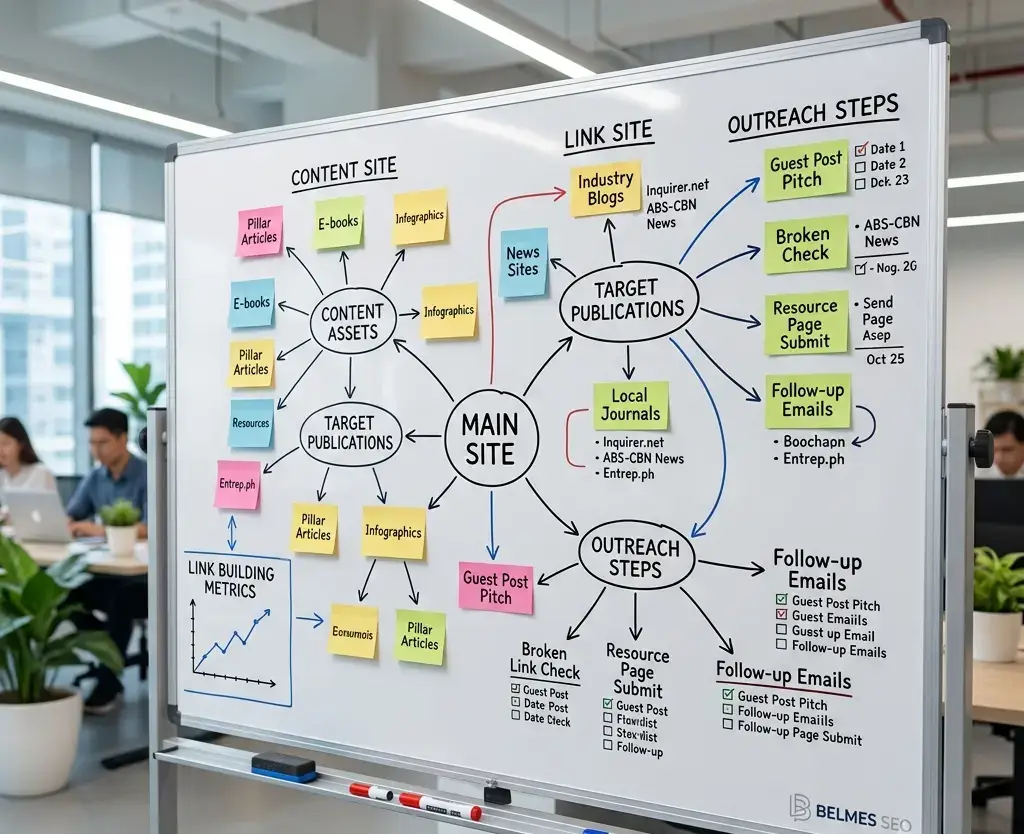
Off-page SEO is everything you do outside your own website to signal trust, relevance, and authority to search engines. When done right, it builds domain authority steadily through earned links, brand mentions, and digital relationships that Google actually rewards.
Table of Contents
ToggleKey Takeaways
- Domain authority grows through earned, relevant backlinks, not volume or shortcuts.
- Google’s spam detection has made link schemes risky and largely ineffective for long-term rankings.
- Digital PR, content partnerships, and local citations are among the cleanest off-page tactics available.
- Your off-page efforts only compound when your on-page foundation and site structure are already solid.
- Philippine businesses can build strong authority through local directories, industry publications, and regional media outreach.
- Consistency over months, not overnight wins, is what separates sustainable authority from short-lived ranking spikes.
Why Domain Authority Matters More Than Raw Link Count
A lot of website owners in the Philippines get caught up chasing numbers. They want hundreds of backlinks fast, and they turn to paid link farms or private blog networks to get them. That approach might show a temporary bump in rankings, but Google’s algorithms, particularly the Helpful Content and SpamBrain updates, have made these schemes increasingly dangerous to your site’s long-term health.
Domain authority, whether you measure it through Moz’s DA score, Ahrefs’ Domain Rating, or Google’s internal PageRank signals, reflects the quality and trustworthiness of the sites linking to you. A single backlink from Rappler, Inquirer.net, or BusinessMirror is worth more than 200 links from obscure directories nobody reads. The reason is simple: those publications are trusted by millions of Filipino readers, and that trust transfers to your site when they reference it.
Building real domain authority starts with accepting that it takes time. A local Cagayan de Oro business that earns a citation from CDO-focused news blogs or a feature in a regional chamber of commerce newsletter is building genuine signals. Those signals stack up.
The Off-Page Tactics That Actually Work
Earned Backlinks Through Content and Digital PR
The most durable off-page strategy is creating content that journalists, bloggers, and industry sites genuinely want to reference. This means original data, local research, expert opinions, or detailed resources that fill a gap nobody else has filled in your niche.
For example, a Philippine e-commerce brand that publishes an annual report on online shopping behavior across Luzon, Visayas, and Mindanao gives media outlets something to cite. That one piece of original research can earn dozens of natural backlinks over months with zero outreach to shady link sellers.
Digital PR works similarly. When you pitch a genuine story to local tech media or regional business publications, you earn coverage that comes with authoritative links attached. The key is that these links are editorially placed, meaning the publisher chose to include them because the content earned it.
Niche-Relevant Guest Posting
Guest posting is not dead. What is dead is mass guest posting on irrelevant, low-quality blogs purely for links. Relevant guest posting means writing for sites that share your audience and topic space. A digital marketing agency in Bukidnon writing for a reputable Philippine marketing publication? That is a legitimate signal. Writing 50 generic posts for random lifestyle blogs with no editorial standards? That is a link scheme.
Before you pursue any off-page tactic, make sure your own site is ready. Reading up on what is on page seo will help you understand what Google evaluates on your own pages, which directly affects how much value an inbound link actually passes to you.
Local Citations and Business Listings
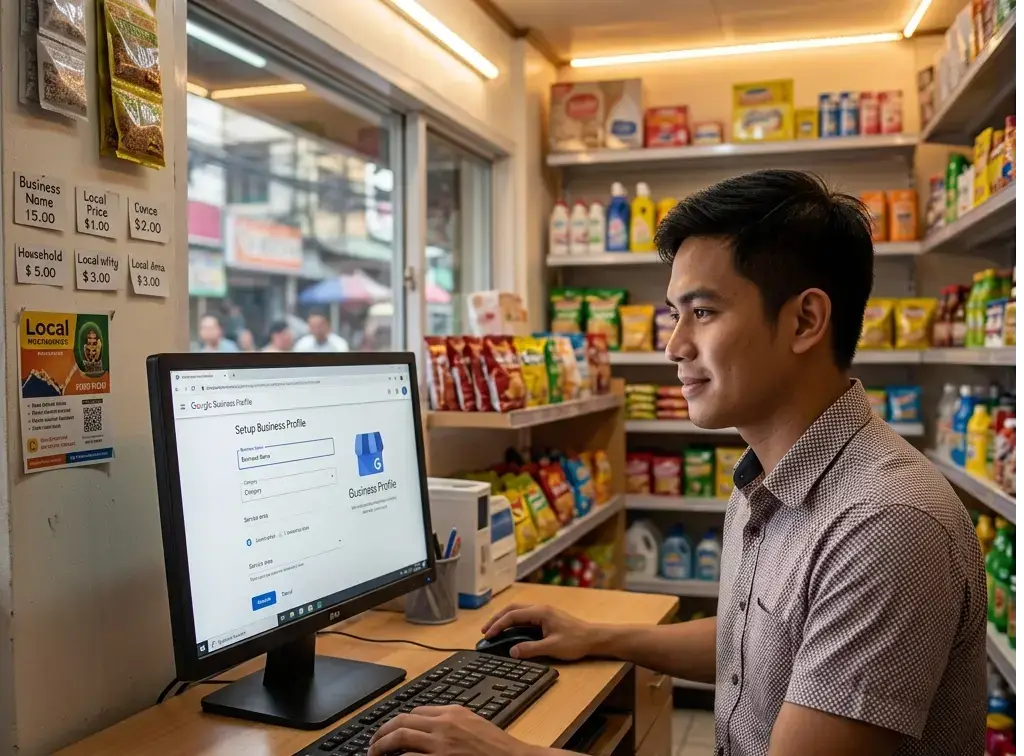
For Philippine businesses targeting local customers, citations are a powerful off-page signal. These are mentions of your business name, address, and phone number across directories like Google Business Profile, Yello.ph, and industry-specific listings.
Consistency matters here. If your business name appears differently across listings, it dilutes the trust signal. Audit your citations regularly to make sure your information matches exactly across all platforms.
What Spammy Link Schemes Look Like and Why They Fail
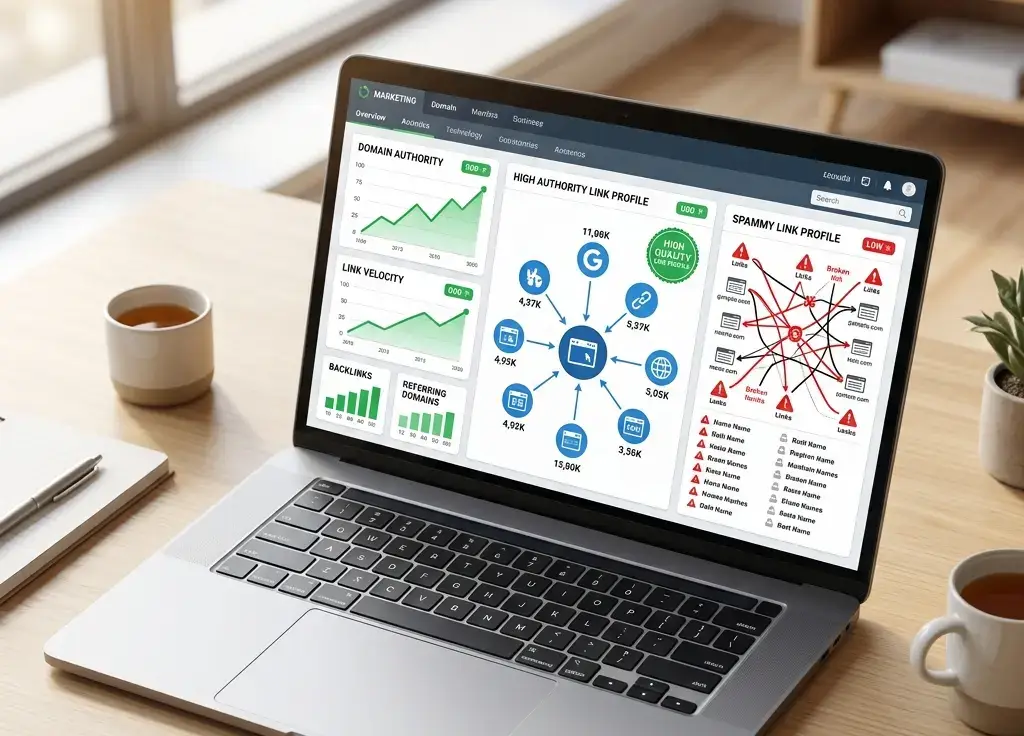
Spammy link schemes come in several recognisable forms: paid links with no disclosure, private blog networks (PBNs), link exchanges disguised as partnerships, and automated link building tools that blast your URL across thousands of low-quality pages.
Google’s SpamBrain system, which the company has repeatedly confirmed processes hundreds of billions of pages, is specifically trained to detect unnatural link patterns. If your backlink profile shows sudden spikes, hundreds of links from unrelated foreign sites, or anchor text that is suspiciously keyword-heavy across all links, you are likely to trigger a manual review or algorithmic penalty.
The recovery from a Google penalty can take months. Philippine businesses that have gone through this know that rebuilding organic traffic after a penalty is far more expensive and time-consuming than building authority the right way from the start.
A clean SEO audit will help you identify any toxic backlinks already pointing to your site so you can disavow them before they cause lasting damage.
Building a Sustainable Off-Page Strategy Step by Step
Here is a practical breakdown of how to approach off-page SEO without shortcuts:
| Tactic | Time to See Results | Risk Level | Cost Estimate (PHP) |
|---|---|---|---|
| Digital PR and media outreach | 2-4 months | Low | ₱5,000-₱30,000 per campaign |
| Niche guest posting | 1-3 months | Low (if relevant) | ₱2,000-₱10,000 per post |
| Local citations | 1-2 months | Very Low | ₱0-₱5,000 |
| Paid links / PBNs | Weeks (then penalties) | Very High | ₱500-₱10,000+ per link |
| Social signals and brand mentions | Ongoing | Very Low | ₱0-₱3,000/month |
Your off-page work does not operate in isolation. As our piece on why website structure matters for SEO explains, a well-organized site helps Google distribute link equity properly once those backlinks start arriving. Poor structure means your authority gets trapped in a few pages instead of flowing across your entire domain.
Additionally, website navigation best practices in SEO show you how internal linking and clear navigation help maximize the benefit of every external link you earn.
Things to Know
- A toxic backlink from a penalised domain can drag your own rankings down even if you did not build that link yourself. Use Google’s Disavow Tool when needed.
- Domain authority scores from third-party tools like Moz or Ahrefs are estimates, not official Google metrics. Focus on ranking improvements, not just score changes.
- Anchor text diversity matters. If most of your backlinks use the same exact-match keyword anchor, that is a red flag to Google’s algorithms.
- Social media links are mostly “nofollow”, but brand visibility and referral traffic from platforms like Facebook and LinkedIn still contribute indirectly to authority signals.
- Understanding what keyword research actually does will help you target content that is more likely to earn backlinks naturally because it serves real search demand.
Frequently Asked Questions
How long does it take to build domain authority through legitimate off-page SEO?
Meaningful authority gains typically take 3 to 6 months of consistent effort.
Most Philippine websites see measurable improvements in domain metrics and organic rankings after about four months of regular link earning activity. This timeline shortens if you are targeting lower-competition local niches.
Can I buy backlinks safely if I am careful about it?
No link purchase is truly safe under Google’s current guidelines.
Google’s Webmaster Guidelines explicitly prohibit buying or selling links that pass PageRank. Sites caught in paid link schemes face manual actions that can wipe out years of ranking progress overnight.
What is the difference between off-page SEO and on-page SEO?
On-page SEO covers what is on your site; off-page SEO covers external signals pointing to it.
Both work together. Visit the blog for more detailed breakdowns of how each discipline contributes to overall search performance.
Are social media signals a real off-page ranking factor?
Social signals are not direct ranking factors, but they influence link earning indirectly.
Content that spreads on social media reaches more publishers and bloggers who may then link to it naturally. Facebook remains the dominant platform in the Philippines, making it particularly valuable for content amplification.
How do I find relevant sites for guest posting in the Philippines?
Search for industry publications, niche blogs, and association websites within your specific sector.
Use search queries like “write for us Philippines [your industry]” to find legitimate opportunities. Prioritise sites with real audiences and editorial standards over those that accept any submission.
The Bottom Line on How Off-Page SEO Builds Domain Authority
Building domain authority through off-page SEO comes down to earning trust rather than manufacturing it. Real links come from real content, real relationships, and real value offered to publishers and their audiences. That is a slower process, but it produces authority that holds up through algorithm updates rather than collapsing under them.
Your next step is to audit your current backlink profile, identify your top three content assets worth promoting, and reach out to one relevant Philippine publication this week. One genuine placement from a credible local source will do more for your domain than a hundred directory submissions ever could.